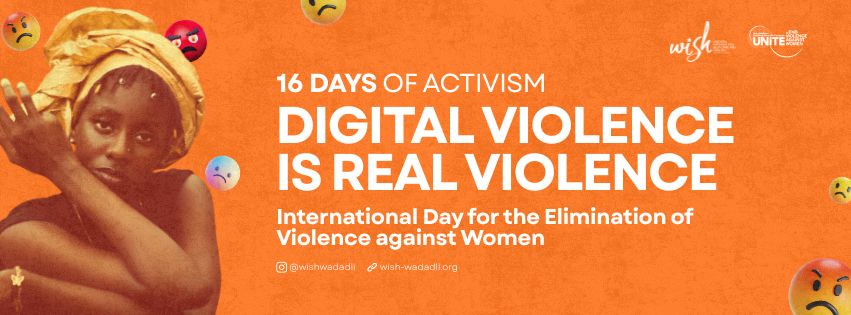
Digital spaces were once imagined as places of opportunity, expression and connection, but for many women they have become environments where harassment, intimidation and abuse thrive with limited oversight. As Antigua and Barbuda joins the global community in observing the 16 Days of Activism to End Gender-based Violence, this year’s focus on digital violence against women and girls highlights a crisis that is often invisible but deeply destructive. The psychological impact of online abuse is real, documented and rising, and addressing it is essential to any modern conversation about women’s rights, safety and mental wellbeing.
Digital violence includes image-based abuse, cyberstalking, impersonation, non-consensual sharing of private information, coordinated harassment, online sexual exploitation and targeted hate campaigns. UN Women reports that women are 27 percent more likely than men to face severe online abuse (UN Women, 2022). A 2023 Economist Intelligence Unit study found that 85 percent of women globally have experienced or witnessed digital violence (Economist Intelligence Unit, 2023). The Caribbean continues to see examples across social media, messaging platforms and anonymously created accounts. The scale of digital spaces allows abuse to spread quickly and widely, often without a survivor’s knowledge and with long-lasting reputational harm.
The mental health implications are significant. The World Health Organization identifies strong associations between online harassment and symptoms of anxiety, depression, sleep disruption, social avoidance and trauma responses (WHO, 2021). Amnesty International’s global survey of women journalists showed that persistent digital harassment leads to long-term psychological distress and burnout (Amnesty International, 2020). A study in the Journal of Interpersonal Violence noted that women targeted by online abuse often experience fear, hypervigilance and difficulty trusting social environments, even offline (Cross et al., 2021). Local therapists in Antigua and Barbuda report increasing cases involving digital harassment, particularly among adolescents, young professionals and women in public-facing roles.
Digital violence also reinforces power imbalances. Research from the International Center for Journalists shows that women who speak publicly or hold leadership positions face disproportionate levels of online hate and sexualised threats, which aim to silence or discredit them (ICFJ, 2022). Female politicians worldwide are three times more likely to be targeted by gendered disinformation campaigns intended to undermine their credibility (National Democratic Institute, 2021). For small societies, where digital discussions often mirror real-world relationships, the silencing effect can limit women’s participation in governance, entrepreneurship, media and community leadership.
The intersection of digital violence and mental health is further shaped by accessibility challenges. Survivors often hesitate to seek help due to fear of judgment, internalised shame and the perception that online abuse is “not serious.” A study by the Cyberbullying Research Center found that 60 percent of women who experience digital abuse do not report it, and many feel unsupported when they do (Patchin & Hinduja, 2022). In the Caribbean, where mental health services are limited and stigma remains high, survivors face additional barriers to care and support. The rapid growth of digital platforms has outpaced institutional systems, leaving many women to navigate emotional and psychological distress without adequate tools.
Effective prevention and response require coordinated action. Digital platforms should improve reporting processes, increase transparency in enforcement and invest in automated detection tools that prioritise the safety of women and girls. Law enforcement agencies need training and resources to understand digital evidence, investigate cyber offences and respond sensitively to survivors. Schools and youth programmes should integrate digital citizenship, mental health literacy and responsible online behaviour. Employers and organisations should create guidelines that recognise digital harassment as a legitimate risk to employee wellbeing.
Community support is also essential. Survivors benefit from safe, confidential spaces to discuss their experiences. Peer support programmes, trauma-informed mental health services and clear pathways for reporting abuse help rebuild confidence. Public education campaigns must emphasise the emotional effects of digital violence and challenge cultural norms that normalise harassment. Every citizen can contribute by refusing to share harmful content, reporting abusive posts and promoting ethical online engagement.
Antigua and Barbuda’s growing digital footprint means these issues cannot be ignored. As more aspects of professional, political and social life move online, the safety of women in digital spaces is inseparable from their overall wellbeing. Girls entering adolescence today face pressures and exposure unlike any previous generation. Protecting them requires acknowledging the scale of digital violence and addressing both the behaviours and the systems that enable it.
WISH remains committed to advocating for a society in which digital spaces are safe and supportive. This year’s 16 Days of Activism is a call for governments, institutions, platforms and communities to recognise digital violence as a legitimate form of gender-based violence and to address its mental health impact with urgency. The safety and wellbeing of women and girls depend on collective action, and the future of our digital society depends on creating environments that allow all voices to participate without fear.
References
Amnesty International. (2020). Troll Patrol: Global findings on online abuse against women.
Cross, C., Dragiewicz, M., & Richards, K. (2021). The impacts of online harassment on mental health. Journal of Interpersonal Violence.
Economist Intelligence Unit. (2023). Measuring the prevalence of online violence against women.
International Center for Journalists. (2022). Online violence against women journalists.
National Democratic Institute. (2021). Gendered disinformation: A threat to women’s political participation.
Patchin, J. & Hinduja, S. (2022). Cyberbullying and online harassment: Prevalence and impact. Cyberbullying Research Center.
UN Women. (2022). Online and ICT-facilitated violence against women and girls.
World Health Organization. (2021). Violence against women: Digital dimensions and mental health implications.